How to Get Cited by ChatGPT: Patterns from High-Citation Articles

ChatGPT citations work through two distinct mechanisms: the model either recalls information absorbed during training or actively retrieves and cites live web pages using search integration. When ChatGPT browses the web, it pulls from Bing’s index, favoring pages with high authority signals, clear structure, and direct answers to the user’s query. You can’t guarantee a citation, but you can dramatically increase your odds by understanding what triggers the model to surface one source over another. That’s what AI citation optimization comes down to — making your content the most extractable, authoritative, and relevant answer available.
How ChatGPT Sources Actually Work Under the Hood
The model doesn’t “decide” to cite you the way a journalist does. There’s no editorial judgment happening. Instead, two separate systems govern whether your content shows up in a ChatGPT response, and they operate on entirely different logic.
Training Data References vs. Real-Time Retrieval
ChatGPT’s base model was trained on a massive corpus of text with a knowledge cutoff date. When it answers a question from memory, it’s drawing on patterns learned during training — not fetching a specific URL. You won’t get a clickable citation from this mode. The model might paraphrase your article’s core ideas without ever linking back to you.
Real-time retrieval is different. When a user enables browsing mode (or uses a plugin that searches the web), ChatGPT sends queries to Bing, evaluates the returned results, and pulls passages from specific pages. This is where chatgpt sources become visible, clickable citations. The distinction matters because optimization strategies differ for each:
- Training data influence requires long-term authority building, widespread republication of your ideas, and being the definitive source on a topic before the training cutoff.
- Real-time retrieval citations require Bing visibility, clean page structure, and content that answers queries directly.
Most content creators should focus on real-time retrieval. It’s the mechanism you can actually influence right now.
The Role of Search Engine Indexing and Authority
ChatGPT’s browsing mode leans on Bing, not Google. This single fact reshapes the optimization playbook. Pages that rank well on Google but are invisible on Bing won’t get cited by ChatGPT — full stop.
Bing’s ranking algorithm weighs many of the same signals Google does: backlinks, domain authority, page speed, mobile-friendliness. But Bing places heavier emphasis on exact-match keywords in titles, social signals, and structured data. According to Bing’s own webmaster guidelines, clear page titles, meta descriptions, and proper use of heading tags directly influence crawl quality and ranking.
If you’re already running a programmatic SEO playbook that targets Google exclusively, you’re leaving AI citation opportunities on the table.
Crawlability matters too. If Bingbot can’t access your content — because of aggressive robots.txt rules, JavaScript rendering issues, or a paywall — it simply won’t appear in ChatGPT’s retrieval results.
Patterns Found in Articles That ChatGPT Cites Most Often
After analyzing dozens of ChatGPT browsing-mode responses across different topics, clear patterns emerge in the content it selects. These aren’t random. They reflect what retrieval-augmented generation (RAG) systems are optimized to find.
Clear Definitions and Direct Answers Near the Top
The single strongest predictor of an AI citation: does your page answer the question in the first 100–200 words?
High-citation articles almost always front-load a concise, authoritative definition or direct answer before expanding into detail. This mirrors featured-snippet optimization, and for good reason — both Google’s featured snippets and ChatGPT’s retrieval system are looking for the same thing: a self-contained passage that resolves a query.
Compare these two openings:
Weak: “In today’s rapidly evolving digital landscape, many people are curious about how AI systems work…”
Strong: “Retrieval-augmented generation (RAG) is a technique where an AI model queries external databases or search engines in real time to supplement its responses with current information.”
The second version is a citation magnet. It defines the entity, answers the implicit question, and does so in a single extractable sentence.
Original Data, Statistics, and Unique Research
Pages that contribute net-new information get cited disproportionately. If your article merely summarizes what five other articles already said, the retrieval system has no reason to prefer yours. But if you publish proprietary survey data, original case study results, or a unique analysis, you become the primary source.
A 2024 study by Semrush found that 55% of successful content marketers cite original research as their highest-performing content type. That finding applies double for AI citation optimization, because language models are specifically trained to prefer primary sources when attributing claims.
Concrete tactics:
- Run original surveys, even small ones (n=200+ adds credibility)
- Publish proprietary data from your own platform or tools
- Create benchmark reports for your industry
- Analyze public datasets in a way nobody else has
Structured Content with Logical Heading Hierarchies
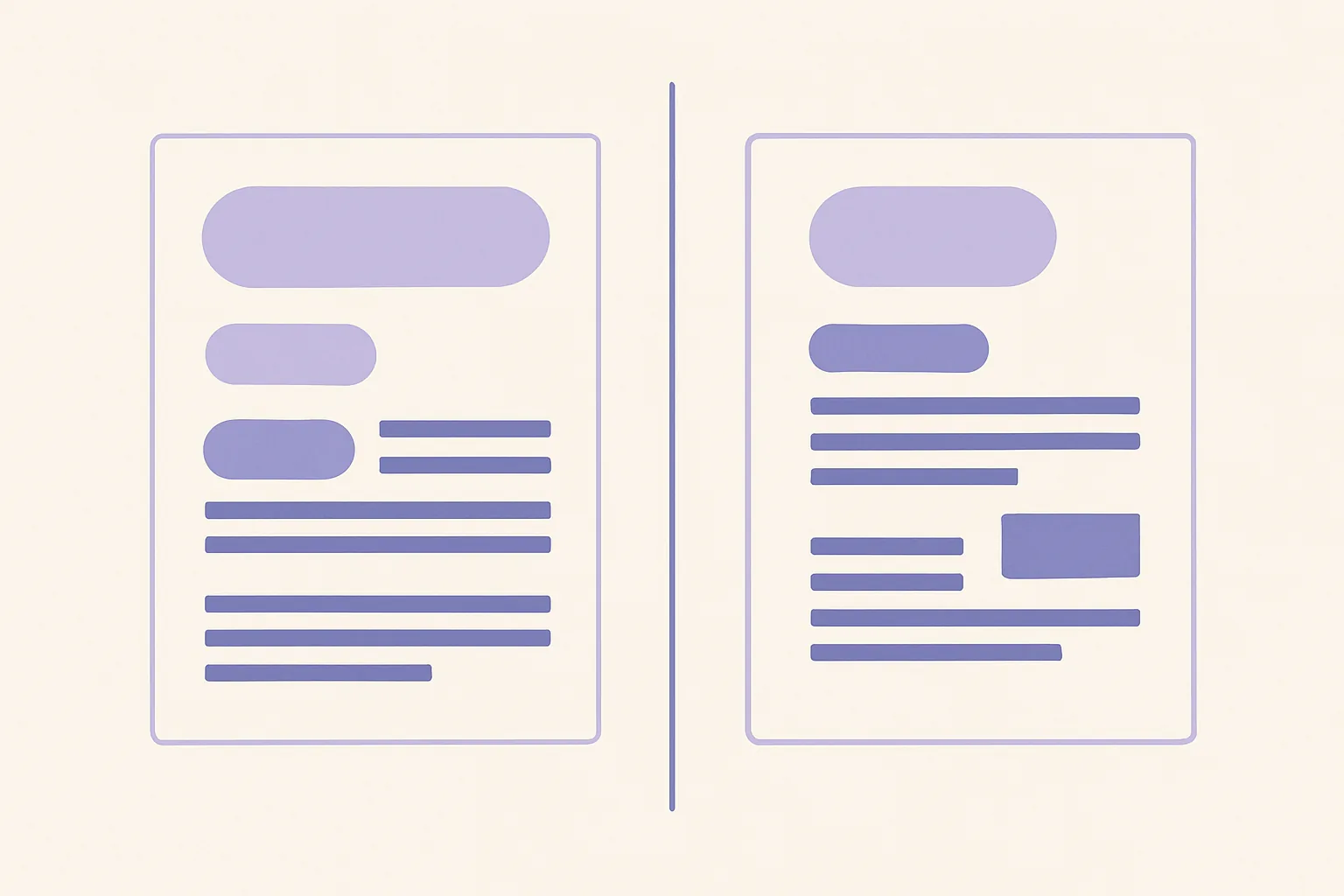
Retrieval systems don’t read your page top-to-bottom like a human might. They scan structure. Descriptive H2 and H3 headings act as signposts that help the system locate the relevant passage for a given query.
Pages with vague headings like “More Info” or “What You Should Know” perform poorly. Pages with specific, question-matching headings like “Average Cost of Solar Panel Installation in 2025” get retrieved and cited.
Best practices for structure:
| Element | Good Practice | Poor Practice |
|---|---|---|
| H2 headings | Descriptive, keyword-rich, specific | Vague, clever, pun-based |
| Lists | Used for steps, comparisons, features | Used for visual filler |
| Tables | Comparative data, specifications | Decorative formatting |
| Paragraphs | 2-4 sentences, one idea each | Wall-of-text blocks |
| Bold text | Key terms and definitions highlighted | Random emphasis |
Established Topical Authority and Consistent Publishing
One article won’t do it. ChatGPT sources tend to come from sites that cover a topic comprehensively across multiple pages. A site with 40 interlinked articles about email marketing carries more weight than a site with one great email marketing guide surrounded by unrelated content.
This is the compound effect of topical depth. Each new article you publish on a topic cluster reinforces the authority of every other article in that cluster. Search engines — Bing included — recognize topical authority through internal linking patterns, consistent publishing cadence, and breadth of coverage.
The implication: if you want to get cited by AI on a specific topic, commit to owning that topic over months, not days.
Actionable AI Citation Optimization Strategies
Patterns are interesting. Tactics are useful. Here’s what to actually do.
Write for Extractability: Sentence-Level Clarity
Every important claim on your page should be understandable without reading the sentences around it. This is the extractability principle, and it’s the single biggest difference between writing for humans and writing for AI retrieval.
Test each key sentence: if you pulled it out of context and dropped it into a chatbot response, would it still make sense? Would it still be accurate?
Practical guidelines:
- Lead with the answer, then explain. “The average email open rate in 2024 is 21.33%. This represents a slight decline from…”
- Include the subject in every key sentence. Don’t rely on pronouns that reference earlier paragraphs.
- Attach numbers to claims. “Revenue increased 34% year-over-year” beats “revenue increased significantly.”
- Define terms inline. “Schema markup — structured code added to HTML that helps search engines understand page content — improves visibility in…”
Optimize for Bing and Non-Google Search Ecosystems
Step one: set up Bing Webmaster Tools if you haven’t already. Verify your site. Submit your sitemap. Check for crawl errors.
Step two: adopt IndexNow, a protocol that instantly notifies Bing (and other participating engines) when you publish or update content. This is especially important for time-sensitive content — Bing picks it up in minutes instead of days.
Step three: review your Bing-specific performance. Bing’s ranking factors aren’t identical to Google’s. Pay attention to:
- Exact-match keywords in page titles and H1 tags
- Social engagement signals (Bing explicitly considers these)
- Page load speed and clean HTML
- Alt text on images (Bing’s image understanding differs from Google’s)
Add Schema Markup and Machine-Readable Metadata
Structured data helps retrieval systems trust and understand your content. Implement these schema types as priorities:
- Article schema with author, datePublished, and dateModified
- FAQ schema for question-and-answer sections
- Author schema linking to author profiles and credentials
- Organization schema with logo, founding date, and social profiles
The goal isn’t just rich snippets in search results. It’s making your content’s provenance — who wrote it, when, and with what authority — machine-readable. AI systems that evaluate source trustworthiness benefit from this metadata even when they don’t display it directly.
Protecting your content’s provenance also ties into broader privacy and data governance considerations that publishers should keep in mind.
Build Entity Recognition Through Consistent Brand Mentions
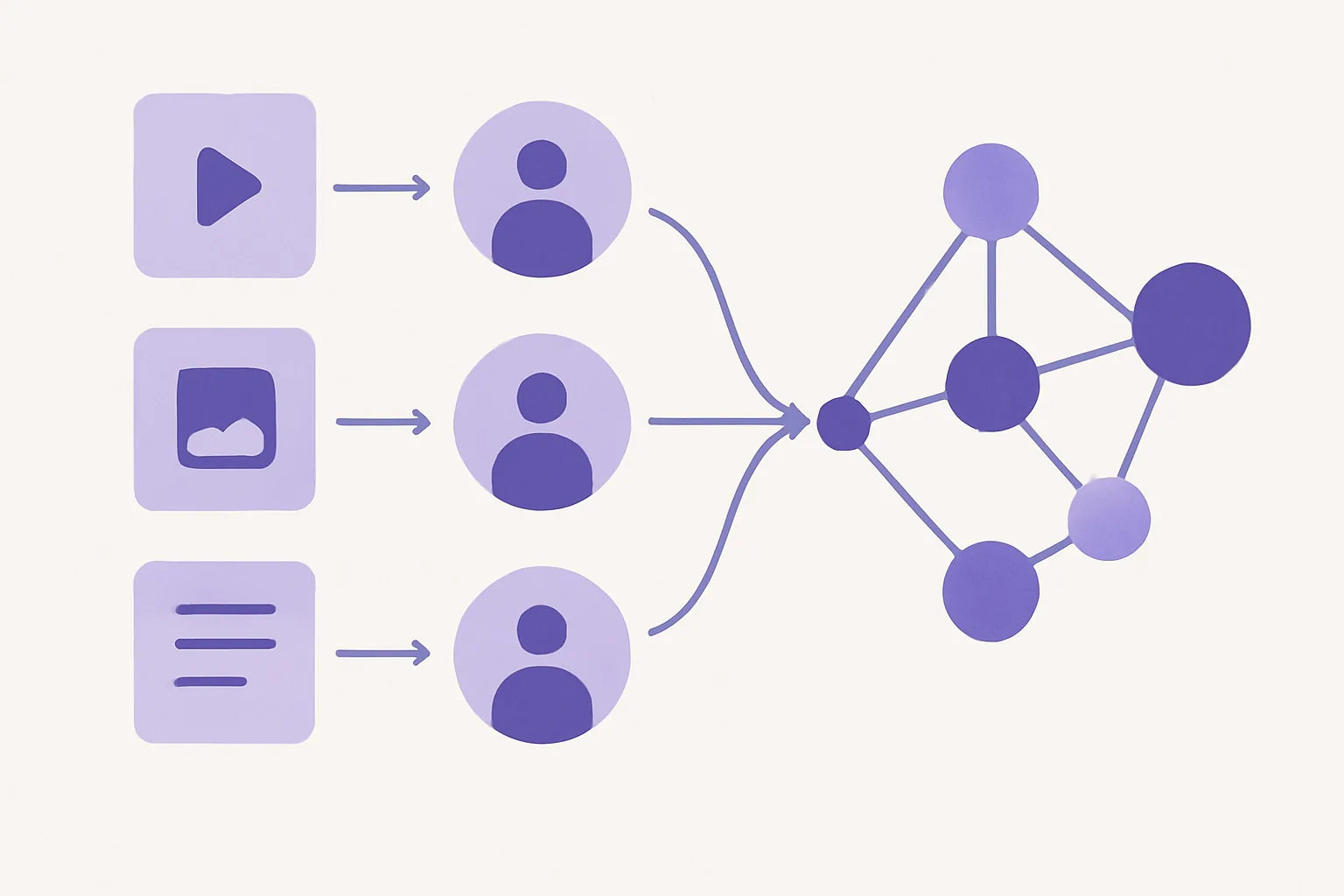
ChatGPT is more likely to cite sources it recognizes as entities — named, established things that exist in knowledge graphs. If your brand or your name appears consistently across the web in association with a specific topic, you’re building entity recognition.
Tactics that work:
- Maintain a Wikipedia page (if your organization qualifies for notability)
- Keep NAP data consistent across directories, social profiles, and your website
- Get mentioned in authoritative publications — even without backlinks, mentions build entity association
- Use consistent naming everywhere. Don’t be “Acme Corp” on your site, “Acme” on LinkedIn, and “Acme Corporation Inc.” in press releases
- Publish author bios with credentials, linking to the same author across multiple platforms
Common Mistakes That Prevent Your Content from Being Cited
Knowing what works is half the battle. Here’s what actively blocks AI citations:
Paywalled content. If Bingbot can’t read your page, ChatGPT can’t retrieve it. Hard paywalls kill AI citation potential entirely. Metered paywalls (first few articles free) are less damaging but still limit crawl depth.
Thin aggregation. Rewriting what three other sites already published adds zero citation value. The retrieval system will prefer the original source or the most authoritative summary. If your article doesn’t add a single original insight, data point, or perspective, it won’t get picked.
Poor crawlability. JavaScript-rendered content that requires client-side execution, aggressive interstitials, and broken canonical tags all prevent proper indexing. Run your key pages through Bing’s URL Inspection tool to verify what the crawler actually sees.
Duplicate content. Syndicated articles that appear on multiple domains confuse retrieval systems about which version to cite. If you syndicate, use canonical tags pointing to the original.
Over-reliance on images and video without supporting text. AI retrieval systems are text-first. A stunning infographic with no alt text or surrounding explanatory copy is invisible to them. Always include a text-based version of any visual data.
Missing publish and update dates. Retrieval systems deprioritize content with no visible date, especially for time-sensitive queries. Always display both the original publish date and the last-updated date.
Frequently Asked Questions About ChatGPT Citations
Does ChatGPT Always Provide Sources When It Answers a Question?
No. Standard ChatGPT responses (without browsing enabled) draw from training data and don’t include clickable citations. Citations only appear when the user activates browsing mode, uses a search-enabled plugin, or when the system automatically searches for current information. Users on ChatGPT Plus and Enterprise plans have access to browsing; free-tier access varies.
Can You Pay to Get Cited by ChatGPT?
Not currently. There is no paid placement program within ChatGPT responses as of mid-2025. OpenAI has explored advertising models, but no pay-for-citation system exists. Your only path to getting cited is earning it through content quality, authority, and retrievability.
How Is AI Citation Optimization Different from Traditional SEO?
The overlap is significant — authority, relevance, and structure matter for both. The divergences: AI citation optimization places heavier emphasis on extractability (can a single passage answer a question?), Bing visibility (not just Google), entity recognition (knowledge graph presence), and sentence-level clarity. Traditional SEO optimizes for clicks; AI citation optimization optimizes for being the answer.
Do Backlinks Influence Whether ChatGPT Cites Your Page?
Indirectly, yes. Backlinks boost your domain and page authority in Bing’s ranking algorithm. Higher-ranking pages in Bing are more likely to appear in ChatGPT’s retrieval results. So backlinks don’t directly influence ChatGPT, but they influence the search engine that feeds ChatGPT its sources.
How Can I Check If ChatGPT Is Already Citing My Content?
Three approaches: (1) Manually test by asking ChatGPT browsing-mode questions related to your content and checking whether your URLs appear. (2) Monitor your server logs and analytics for referral traffic from chat.openai.com or related domains. (3) Use third-party AI visibility tools that track brand mentions and citations across AI platforms — several have emerged in 2024-2025 specifically for this purpose.
Will AI Citations Replace Traditional Search Traffic?
Unlikely in the near term. AI citations currently drive a fraction of the traffic that organic search does. But the trajectory matters: Gartner predicted that traditional search engine volume could drop 25% by 2026 due to AI alternatives. Early optimization for AI citations creates a competitive moat that compounds over time, even if the absolute traffic numbers are still small today.
Does Content Freshness Affect ChatGPT Source Selection?
For time-sensitive queries, absolutely. ChatGPT’s retrieval system favors recently updated pages when the query implies a need for current information (“best tools in 2025,” “latest statistics on…”). Display visible publish and update dates. Refresh key articles quarterly. Update statistics annually at minimum.
Can Short-Form Content Get Cited, or Does It Have to Be Long?
Length alone doesn’t determine citation likelihood. A 500-word page with a precise, well-structured answer to a specific question can outperform a 5,000-word guide that buries the answer in paragraph 47. That said, comprehensive content covering a topic in depth tends to accumulate more citation opportunities simply because it answers more potential queries.
What to Focus on Next: Building Your AI Citation Strategy
Three highest-impact actions, in priority order:
-
Set up Bing Webmaster Tools and IndexNow today. This is the lowest-effort, highest-return move. If Bing can’t find your content quickly, nothing else matters for chatgpt citations.
-
Audit your top 10 pages for extractability. Take the pages that drive the most organic traffic and rewrite their key passages to be self-contained, quotable, and front-loaded with direct answers. This single edit pattern improves both AI citation potential and featured snippet capture.
-
Publish one piece of original research per quarter. It doesn’t need to be a massive study. A survey of 200 professionals, an analysis of your own platform data, or a benchmark report gives AI systems a reason to cite you instead of the five other articles summarizing the same public information.
AI citation optimization is an emerging discipline. The playbook will evolve as OpenAI, Bing, and other platforms refine their retrieval systems. But the fundamentals — authority, structure, originality, and extractability — are durable. The creators who build these habits now will compound their advantage as AI-driven search grows from a trickle to a flood.