Core Web Vitals SEO: The Real Impact on Content Rankings in 2026
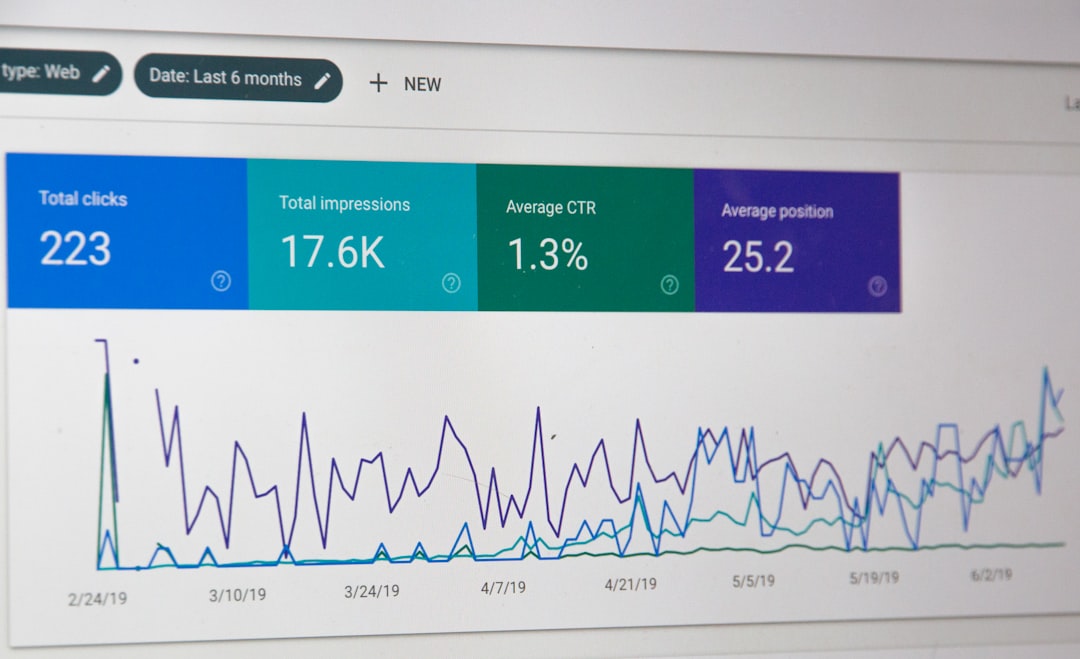
Core web vitals SEO matters — but probably not the way you think. Google has confirmed that Core Web Vitals (CWV) are a ranking factor, yet every credible study from 2025 and 2026 shows the same thing: they act as a lightweight tiebreaker, not a dominant signal. If your content is thin, no amount of speed optimization will save you. But if you’re competing in a crowded SERP where five pages answer the query equally well, passing CWV thresholds can be the edge that pushes you from position six to position three.
That distinction matters. It should shape how you allocate your time, budget, and attention.
Do Core Web Vitals Actually Move the Needle on Rankings?
The honest answer is yes — marginally. CWV is a confirmed ranking signal inside Google’s page experience system, but it sits far below content relevance, backlinks, and E-E-A-T in the hierarchy. Think of it less as a turbo boost and more as a qualifying round. You need to pass, but passing alone won’t win the race.
What Google Has Said vs. What the Data Shows
Google’s messaging has been consistent since the page experience update rolled out. They’ve repeatedly stated that relevance trumps page experience, and that CWV is one signal among hundreds. John Mueller has said on multiple occasions that fixing CWV won’t cause a “dramatic change” for most sites.
Independent data backs this up. A 2024 Ahrefs study analyzing over 6 million pages found only a weak correlation between CWV scores and rankings. Pages ranking #1 had slightly better CWV on average, but plenty of top-ranking pages failed one or more thresholds. Rank-tracking experiments through 2025 showed similar patterns: fixing CWV improved rankings for some pages in competitive niches, but the effect was modest — typically a one-to-three position shift, and only when other ranking signals were roughly equal.
The takeaway isn’t that CWV doesn’t matter. It’s that CWV matters conditionally.
When CWV Becomes the Deciding Ranking Factor
There are specific scenarios where the CWV ranking factor tips the scale:
- Competitive commercial SERPs. When ten e-commerce pages sell the same product with similar content depth and backlink profiles, page experience signals become the differentiator.
- YMYL queries. Google applies extra scrutiny to health, finance, and legal content. In these niches, every positive signal counts, and CWV adds to the overall trust picture.
- High-volume head terms. The difference between position four and position five on a query with 100,000 monthly searches translates to thousands of clicks. Marginal gains matter at scale.
- Mobile-dominant queries. Users on slower connections are more sensitive to load times. Google knows this, and mobile CWV data carries more weight for mobile results.
If you’re publishing a niche blog post targeting a long-tail keyword with three competitors, CWV probably won’t determine your ranking. If you’re fighting for “best running shoes 2026” against dozens of optimized pages, it absolutely can.
Understanding the Three Metrics and Their SEO Weight
Google evaluates three Core Web Vitals metrics in 2026: Largest Contentful Paint (LCP), Interaction to Next Paint (INP), and Cumulative Layout Shift (CLS). Each measures a different dimension of user experience, and they don’t carry equal SEO weight.
| Metric | What It Measures | Good Threshold | SEO Relevance |
|---|---|---|---|
| LCP | Perceived load speed | ≤ 2.5 seconds | Highest |
| INP | Responsiveness to interaction | ≤ 200 ms | Moderate |
| CLS | Visual stability | ≤ 0.1 | Moderate (indirect) |
LCP SEO: Why Largest Contentful Paint Gets the Most Attention
LCP measures how long it takes for the largest visible element — usually a hero image, heading block, or video thumbnail — to render on screen. The threshold is 2.5 seconds. Anything above that and Google flags the page as having poor LCP.
LCP SEO gets the most attention because perceived speed is the most tangible user experience factor. A page that looks loaded feels fast, even if background scripts are still running. Google weights this heavily because it correlates directly with user satisfaction and abandonment rates. Google’s own research shows that pages loading in under 2.5 seconds see significantly lower bounce rates.
Common causes of poor LCP:
- Unoptimized hero images. A 2MB PNG above the fold will tank your LCP. Switch to WebP or AVIF, serve responsive sizes, and use
fetchpriority="high"on the LCP element. - Render-blocking CSS and JavaScript. If the browser has to download and parse three stylesheets before painting anything, your LCP suffers. Inline critical CSS and defer everything else.
- Slow server response time (TTFB). If your server takes 1.5 seconds to respond, you’ve already burned 60% of your LCP budget before a single pixel renders.
- Third-party scripts loading early. Analytics, chat widgets, and ad scripts that load synchronously in the
<head>compete with your main content for bandwidth and CPU.
Among the three metrics, LCP is where most sites have the most room for improvement and where fixes produce the most noticeable ranking effect.
INP Replaced FID: What Changed for Page Experience Signals
In March 2024, Google officially replaced First Input Delay (FID) with Interaction to Next Paint (INP). FID only measured the delay before the browser started processing the first interaction. INP measures the full latency of every interaction throughout the page lifecycle — clicks, taps, key presses — and reports the worst-case scenario (at the 98th percentile for pages with many interactions).
This is a harder bar to clear. A page could pass FID easily because the first click was fast, even if subsequent interactions were sluggish. INP exposes those hidden problems.
The good threshold for INP is 200 milliseconds or less. Pages with heavy JavaScript — think interactive product configurators, complex filtering systems, or single-page applications — often struggle here. The fix usually involves breaking up long tasks, reducing main-thread work, and debouncing event handlers.
As a page experience signal, INP matters most for interactive pages. A static blog post with minimal JavaScript will pass INP without trying. An e-commerce category page with faceted search and lazy-loaded product grids needs deliberate optimization.
Cumulative Layout Shift and Its Indirect Effect on Engagement
CLS measures how much the visible content shifts unexpectedly during loading. The threshold is 0.1 or lower. You’ve experienced bad CLS — you’re about to tap a link and an ad loads above it, pushing everything down. You tap the ad instead. Rage ensues.
CLS doesn’t directly impact rankings as strongly as LCP, but its indirect effects are real. Layout shifts cause:
- Accidental clicks that increase bounce rate
- User frustration that leads to pogo-sticking (returning to the SERP and clicking a competitor)
- Lower engagement metrics that Google can observe through Chrome user experience data
The most common CLS culprits are images without explicit width/height attributes, dynamically injected ads, web fonts that cause text reflow, and late-loading embeds. All fixable. All worth fixing — not just for SEO, but because your users will hate you less.
Practical Optimization Playbook for 2026
Knowing the theory is step one. Here’s what to actually do, organized by impact and effort. If you’re building content at scale, these optimizations pair well with the strategies in our Programmatic SEO Playbook 2026.
Quick Wins That Improve LCP and CLS Immediately
These take minutes to hours, not weeks:
- Convert images to WebP or AVIF. Use a build tool or CDN-based image transformation. AVIF typically delivers 30-50% smaller files than WebP for equivalent quality.
- Add explicit
widthandheightto all images and iframes. This single change eliminates most CLS issues by reserving space in the layout before the asset loads. - Set
fetchpriority="high"on your LCP element. Tell the browser what matters most. This is a one-attribute change that can shave hundreds of milliseconds off LCP. - Use
font-display: swapfor custom fonts. Prevents invisible text during font loading. Users see content immediately with a fallback font, then the custom font swaps in. - Reserve space for ads and embeds. Use CSS
min-heighton ad containers. If an ad slot is 250px tall, declare that upfront so the layout doesn’t jump when the ad renders. - Remove unused CSS and JavaScript. Chrome DevTools’ Coverage tab shows exactly which bytes are unused on a given page. Strip them or split them into separate chunks loaded on demand.
- Lazy-load below-the-fold images with
loading="lazy"— but never lazy-load the LCP image. That’s a common mistake that actively hurts performance.
Server-Side and Infrastructure Changes Worth the Investment
These require more effort but deliver lasting improvements:
- Use a CDN with edge caching. Serving assets from a node 50ms away instead of 500ms away transforms your TTFB. Most modern CDNs support edge rendering for dynamic content too.
- Enable HTTP/3 (QUIC). HTTP/3 eliminates head-of-line blocking and reduces connection setup time. Most major CDNs and hosting providers support it now. The performance gains are most noticeable on mobile networks.
- Add
preconnecthints for critical third-party origins. If you load fonts from Google Fonts or analytics from a third-party domain,<link rel="preconnect" href="...">saves a full round-trip during resource loading. - Preload your LCP resource. If the LCP element is an image that isn’t discoverable in the initial HTML (e.g., it’s set as a CSS background), use
<link rel="preload" as="image" href="...">to fetch it early. - Optimize server response time. Database query optimization, application-level caching, and upgrading to faster hosting can reduce TTFB from 800ms to under 200ms. This is often the single highest-impact change for LCP.
How To Measure Field Data vs. Lab Data Correctly
This is where most people get confused — and where bad decisions get made.
Lab data comes from tools like Lighthouse running a simulated page load on a fixed device and network profile. It’s useful for debugging. It is not what Google uses for rankings.
Field data comes from the Chrome User Experience Report (CrUX), which aggregates real performance data from actual Chrome users visiting your pages. This is what Google uses. Period.
When you run PageSpeed Insights, you’ll see both. The number at the top — the performance score — is lab data. The Core Web Vitals assessment showing green/yellow/red for LCP, INP, and CLS? That’s field data (if your page has enough traffic to be included in CrUX).
Google evaluates CWV at the 75th percentile. That means 75% of your real-user page loads need to meet the threshold. Not the average. Not the median. The 75th percentile. This is intentionally demanding — it means you can’t just optimize for users on fast connections and call it done.
The Search Console Core Web Vitals report groups your URLs by similar performance patterns and shows which ones pass, need improvement, or fail. Check it monthly. When you fix an issue, the CrUX data updates on a 28-day rolling average, so expect a few weeks before your improvements show up in the report.
Page Experience Signals Beyond Core Web Vitals
CWV is one piece of a larger puzzle. Google’s page experience system evaluates multiple signals together, and understanding the full picture prevents you from optimizing in a vacuum.
The Full Page Experience Framework in 2026
The confirmed page experience signals in 2026 include:
- Core Web Vitals (LCP, INP, CLS)
- HTTPS — your site must be served over a secure connection
- Mobile-friendliness — responsive design, properly sized tap targets, readable text without zooming
- No intrusive interstitials — full-screen popups that block content on mobile trigger a penalty
- Safe browsing — no malware, deceptive content, or harmful downloads
These signals combine into a holistic assessment. A page that passes CWV but serves intrusive interstitials on mobile still has a page experience problem. A site with perfect technical performance but no HTTPS is leaving points on the table.
None of these signals individually dominate rankings. They form a baseline of quality that Google expects modern websites to meet. Think of them as table stakes — you need them to compete, but they won’t win the game alone.
Why Content Quality Still Outweighs Technical Perfection
Here’s a reality check. Reddit pages routinely rank in the top three for competitive queries. Reddit’s CWV scores are… not great. Neither are many news sites, forums, or government pages that consistently outrank technically polished competitors.
Why? Because Google’s ranking system prioritizes content that satisfies user intent. A slow page with the best answer still beats a fast page with a mediocre one. E-E-A-T signals — experience, expertise, authoritativeness, trustworthiness — carry far more weight than milliseconds of load time.
This doesn’t mean you should ignore CWV. It means you should sequence your priorities correctly:
- Create content that thoroughly answers the query
- Build topical authority and earn relevant backlinks
- Pass CWV thresholds
- Stop obsessing over CWV
Step three is important. Step four is equally important. Chasing a perfect Lighthouse score when your content strategy is weak is like polishing a car with no engine. Explore our blog for more on building the content foundation that actually drives rankings.
Frequently Asked Questions About Core Web Vitals and SEO
Is CWV a Confirmed Ranking Factor in 2026?
Yes. Google has confirmed that Core Web Vitals are part of the page experience ranking signal. However, it remains a lightweight factor compared to content relevance, backlinks, and E-E-A-T. It functions as a tiebreaker in competitive SERPs, not a primary ranking driver.
What Is a Good LCP Score for SEO Purposes?
A good LCP score is 2.5 seconds or less at the 75th percentile of real-user page loads. This means 75% of your visitors need to experience an LCP of 2.5 seconds or faster. Google pulls this data from the Chrome User Experience Report, not from lab tests.
Can Failing Core Web Vitals Cause a Rankings Drop?
Failing CWV alone rarely causes a dramatic rankings drop. If your content is strong and your other signals are healthy, poor CWV scores won’t send you to page two overnight. But combined with other negative signals — thin content, poor mobile experience, slow server response — failing CWV contributes to an overall decline. It’s additive, not isolated.
How Long After Fixing CWV Issues Do Rankings Improve?
CrUX data updates on a 28-day rolling average. After that, Google needs to recrawl and reprocess your pages. Realistically, expect 4 to 12 weeks before you see any ranking movement from CWV fixes. Some sites report faster changes; others see gradual shifts over months. Patience is required.
Do Core Web Vitals Affect Desktop and Mobile Rankings Differently?
Google uses mobile-first indexing, which means mobile CWV data is primary for most sites. Desktop CWV data applies to desktop search results separately. You should check both datasets in Search Console and PageSpeed Insights. A site that passes CWV on desktop but fails on mobile will still have ranking issues in mobile search — which is where the majority of searches happen.
Does a Perfect PageSpeed Score Guarantee Better Rankings?
No. A Lighthouse score of 100 is a lab measurement. It tells you your page performs well under simulated conditions. Google ranks pages based on field data from real users. You can score 100 in Lighthouse and still fail CWV in the field if your actual users are on slow devices or congested networks. The score is a diagnostic tool, not a ranking guarantee.
Are Core Web Vitals More Important for E-Commerce Than Blogs?
CWV tends to have more measurable impact in competitive niches where content quality is similar across ranking pages. E-commerce, SaaS, and YMYL verticals often fit this profile — dozens of pages selling the same product or answering the same question with comparable depth. In these environments, CWV acts as the tiebreaker more frequently. A personal blog targeting low-competition keywords will rarely see CWV move the needle.
Where To Focus Your SEO Efforts Next
Treat Core Web Vitals as hygiene, not strategy. Pass the thresholds — LCP under 2.5s, INP under 200ms, CLS under 0.1 — and then redirect your energy. The sites winning in 2026 aren’t the ones with the fastest load times. They’re the ones with the deepest content, the strongest topical authority, and the clearest alignment with what users actually need.
Here’s a practical prioritization framework:
- Audit your CWV using field data in Search Console. Fix pages that fail.
- Implement the quick wins listed above — image optimization, font-display swap, explicit dimensions.
- Invest in server-side improvements if your TTFB is above 600ms.
- Once you pass thresholds, stop. Going from “good” to “perfect” on CWV delivers diminishing returns.
- Invest the saved time into content. Depth, originality, expertise, and intent alignment are where the real ranking gains live.
Core web vitals SEO isn’t a myth, and it isn’t magic. It’s a baseline. Meet it, then build something worth ranking.
Sources referenced: